Kickstart your garden with this early spring checklist: prune, divide perennials, prepare soil, start seeds indoors, and maintain tools for a vibrant season.

Connect with us on

Connect with us on
Phone: 530-470-0973
Email: [email protected]
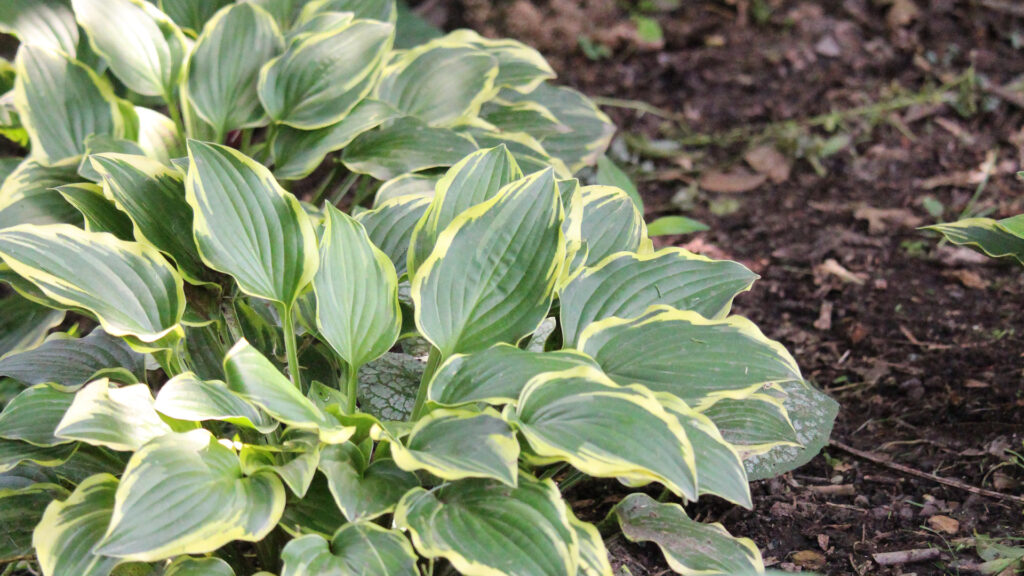
Kickstart your garden with this early spring checklist: prune, divide perennials, prepare soil, start seeds indoors, and maintain tools for a vibrant season.
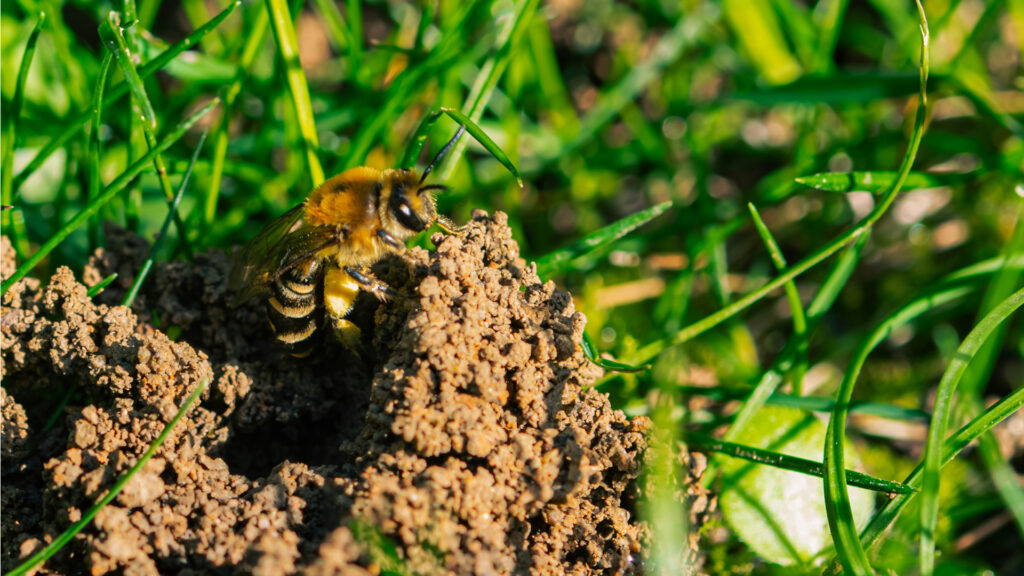
Learn how to help queen bumblebees this early spring with nectar-rich flowers, safe nesting sites, and careful garden care for pollinators.
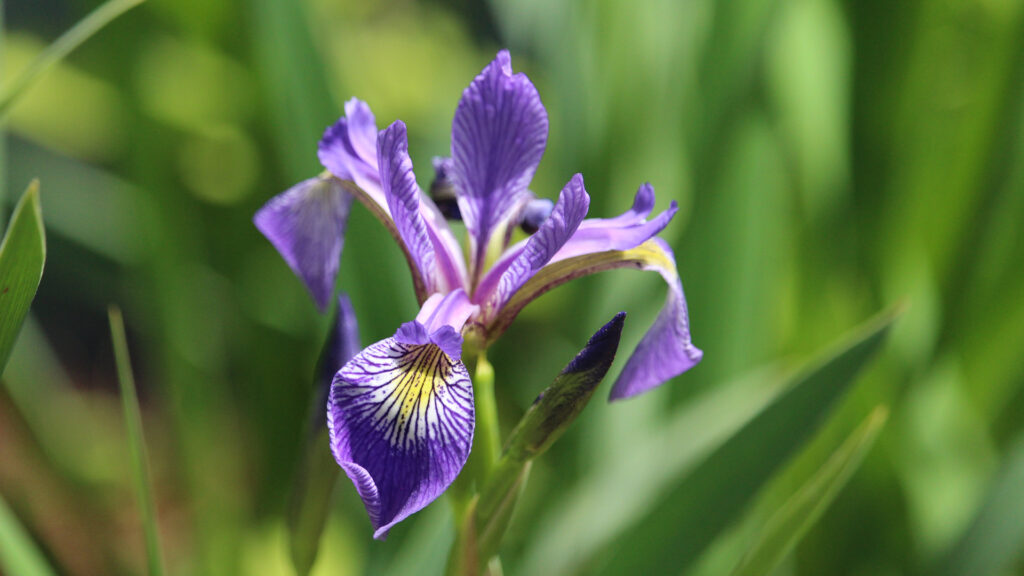
Select early spring flood-tolerant plants for wet areas to prevent erosion, attract pollinators, and enhance beauty and biodiversity in your garden.
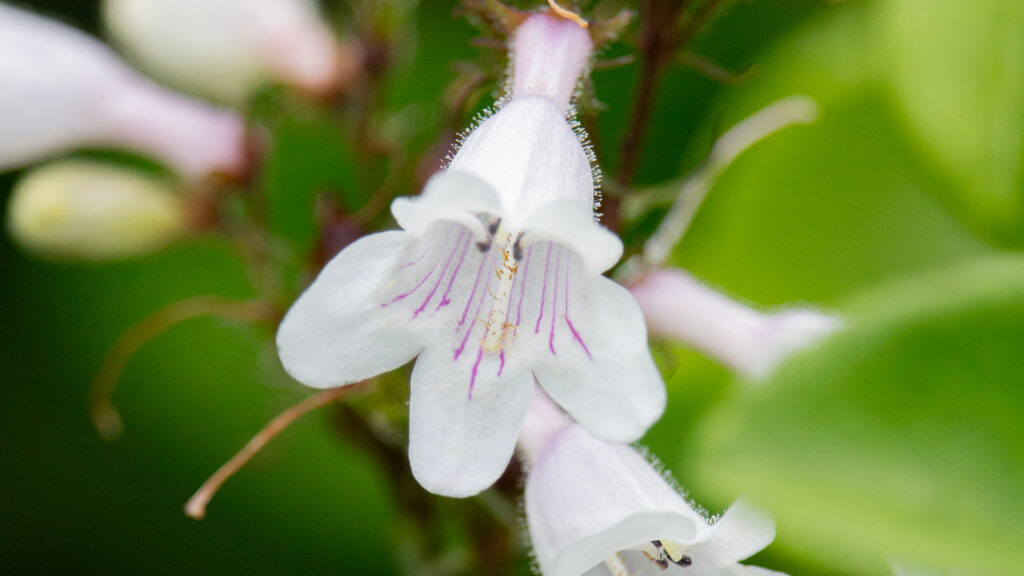
Plant early blooming native perennials to support pollinators, add color, and create a thriving spring garden filled with nectar and beauty.
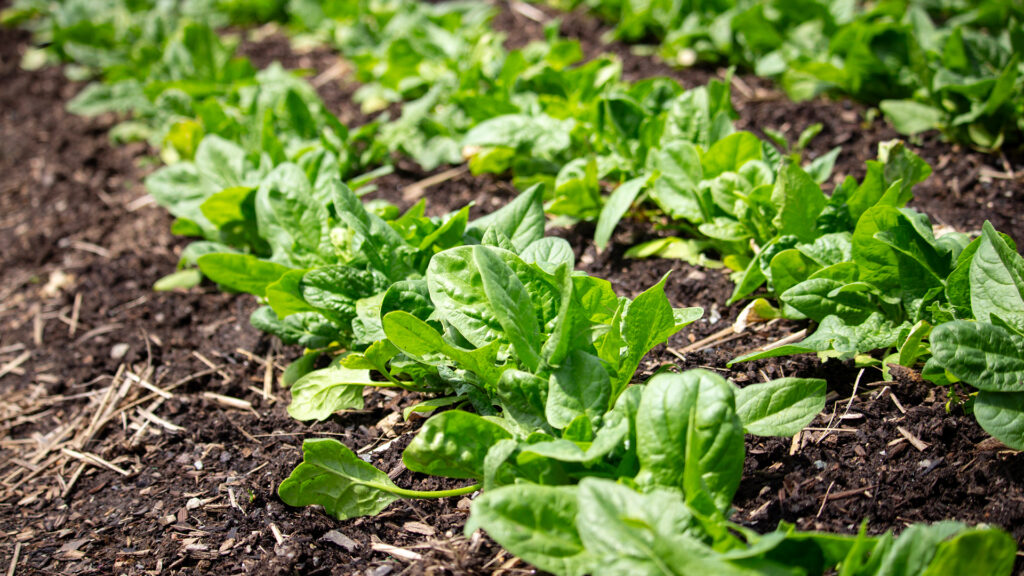
Learn cold soil vegetable planting for early spring crops like peas, spinach, radishes, lettuce, carrots, beets, kale, and chard to get a head start.

Orchids are some of the most exotic plants on earth. They display an amazing range of diversity in the size, shape and color of their unique flowers. There is a misconception, however, that these floral treasures are difficult to grow. Not true. More and more gardeners are growing and collecting orchids each year. Provide the essentials and you too can grow orchids easily!

Were you aware that there has been extensive research done regarding the benefits of plants in the workplace?

Attracting wildlife to the home garden is an enjoyable and creative way to teach children about nature, evoke their respect for the environment and provide meaningful family together time.
Bring the bright atmosphere of a tropical vacation into your home this winter with houseplants. An integral part of your home décor, houseplants not only artistically improve your home, they also cleanse and freshen your indoor air quality. Plants take in carbon dioxide and release clean, pure oxygen. Some plants even absorb certain air toxins,…

Have you wondered why left-handed gardeners have difficulty using “regular” pruners? It’s because of the way the thumb and index finger have to push together to make the cut. It’s hard to control it for detailed work plus incorrect pruners often cause bruises and painful calluses to form.
Accessibility Tools